Glass straws: safety, taste and breaking myths
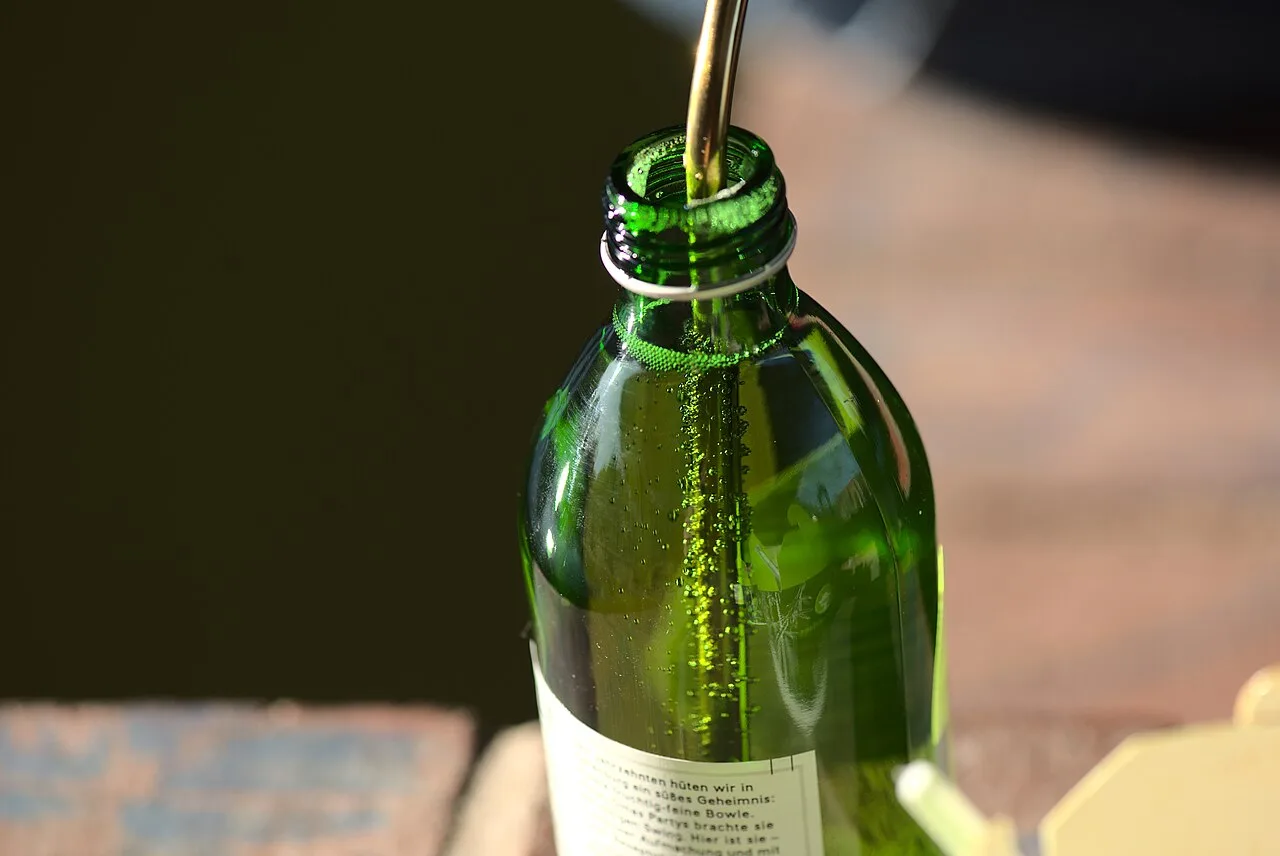
Borosilicate glass handles thermal shock that would crack ordinary glass: boiling coffee into a cold straw is within its tolerance. This is why glass straws are safe for hot and cold drinks alike, and why they show no taste transfer at all — the most neutral material in the straw world.
Where glass straws break
Tile and stone floors, sinks and dropped-from-table height. Most breakages happen at the sink, not at the table. A padded drawer or a short cup near the counter edge removes most of the risk.
The taste advantage
Glass carries no film and no smell. Coffee drinkers notice it first: a glass straw leaves espresso tasting exactly like espresso. For anyone sensitive to metallic or papery notes, glass is the premium choice.
Cleaning and visibility
You see residue through the wall, which makes cleaning honest: if it looks clean, it is clean. A standard brush covers the bore; dishwashers work on the top rack.
- Use a brush weekly regardless of appearance.
- Keep them out of reach of small children.
- Store them upright in a jar to avoid sink accidents.
FAQ
Are glass straws safe for children?
For supervised older children, yes. For toddlers, silicone remains the safer answer — rigid glass in small hands is a combination to avoid.
Do they fit travel lids?
Check the diameter before buying: most glass straws run 8 to 10 millimetres, wider than folded paper or thin silicone tips.
Glass straws reward careful people with perfect taste and honest cleaning — and punish tile floors. Choose them for home use, keep silicone for travel.