Paper straws in 2026: what they get right and where they fail
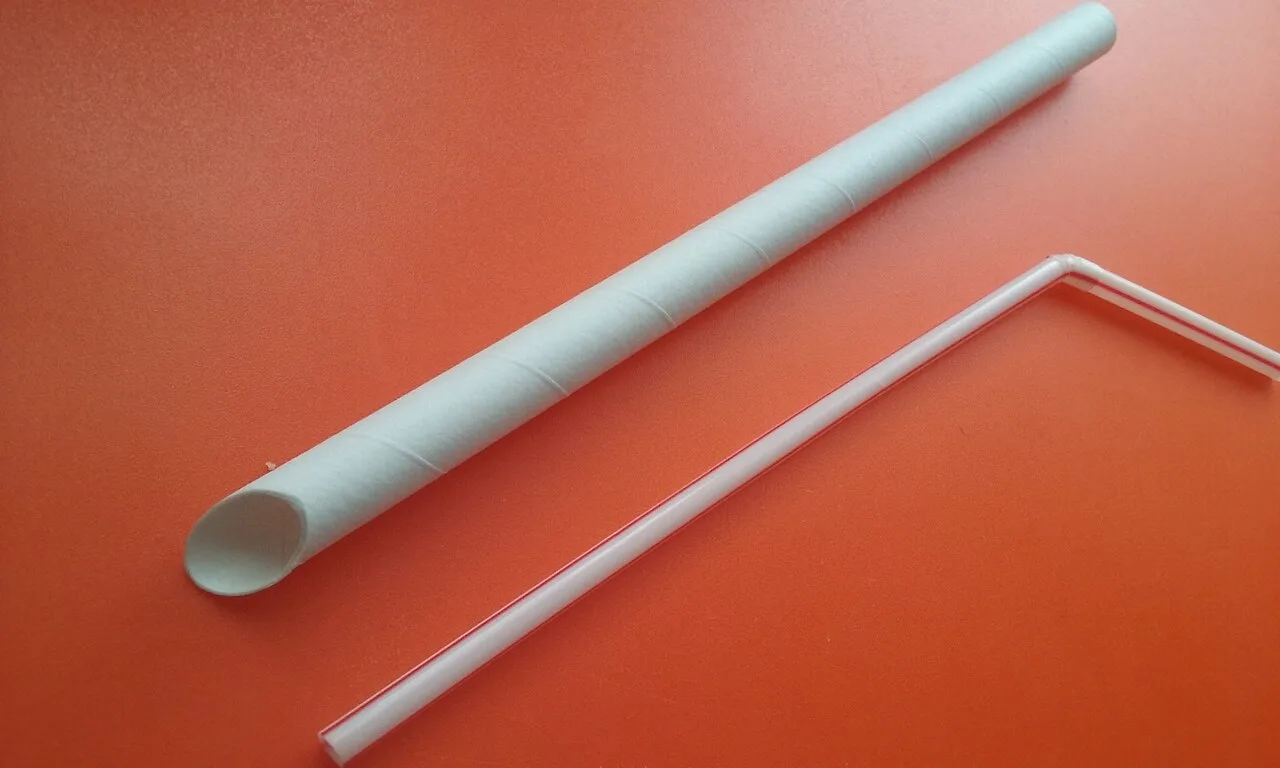
Modern paper straws use three to five plies of food-grade paper with a water-based glue. The ply count decides everything: a three-ply straw softens in twenty to thirty minutes, a five-ply straw holds structure for over an hour in a cold drink.
How long a paper straw actually lasts
In still cold drinks: 30 to 60 minutes for quality five-ply straws. In iced coffee with ice shifting around: 20 to 40 minutes. In hot drinks: paper is the wrong material entirely — it releases fibres and collapses in under ten minutes.
- Espresso and short drinks: paper performs perfectly.
- Long iced drinks: choose steel or glass instead.
- Hot drinks: skip paper completely.
Coatings and compostability
Most European paper straws skip plastic coatings and rely on denser paper. That keeps them compostable in home conditions, though a straw dropped in a bin with food waste behaves the same as one in a compost heap: it breaks down in weeks, not days.
What they cost in Ireland
Wholesale boxes of 250 paper straws run between 8 and 15 euro, which is 3 to 6 cent per straw. Cafes pass on a fraction of this; for a household, a single box covers a year of parties.
When paper is the right choice
Events, parties and one-off gatherings: paper wins because guests lose reusable straws and you avoid washing hundred items. Daily family use: a set of six reusable straws pays off in a month.
FAQ
Do paper straws change the taste of a drink?
A fresh paper straw is neutral. A straw that has soaked for an hour can add a cardboard note — another reason to match the straw to the drink length.
Are paper straws recyclable?
Used straws are food-contaminated and belong in general waste or compost, not in the recycling bin.
Match the straw to the drink: paper for short serves, reusable materials for everything you sip slowly.