Straws and sea life: what one straw means in the ocean
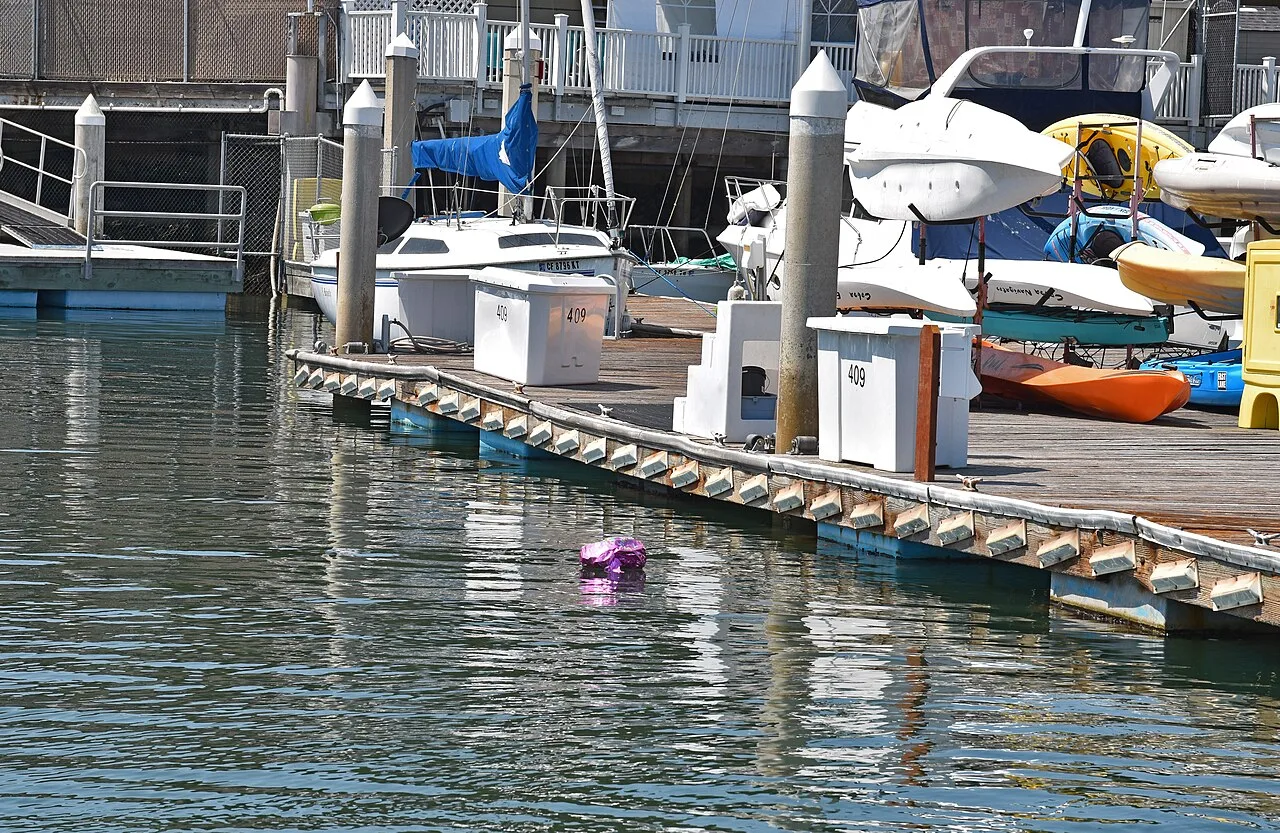
The journey is short: a straw dropped on an Irish street reaches a storm drain in the next rain, and storm drains in coastal towns discharge directly to the sea. From there, currents concentrate floating plastic into the gyres and onto beaches.
Why animals cannot refuse a straw
Sea turtles mistake floating straws for seagrass and swallow them, sometimes leading to throat obstruction. Seabirds feed them to chicks. Fish ingest fragments that then enter the food chain. A straw is the right shape and the wrong food.
What actually reduces the flow
- Reusable straws: one steel straw replaces hundreds of disposables a year.
- Street litter discipline: bins before drains — most coastal plastic is street litter.
- Venue policy: straws on request only, which halves hand-out rates immediately.
- Cleanup participation: beach cleanups intercept straws at the last stop before the tide.
The numbers behind the campaign
The famous turtle video in 2015 moved public opinion more than a decade of statistics. Campaigners estimated Americans used 500 million straws daily; later reviews called the figure an overestimate but the direction held — the flow is measured in billions of straws a year globally.
FAQ
Is skipping straws meaningful if ships dump more?
Land-based litter is the largest marine plastic source, and street litter is its coastal gate. One person's straw is small; a town's habit is a current.
What about people who need straws?
The goal is refusal of automatic hand-out, not denial of access. Reusable and compostable options cover everyone else.
One straw is a gram; a changed habit in one café is kilograms a month. The scale belongs to habits, and habits belong to venues and households.